
Horror Games
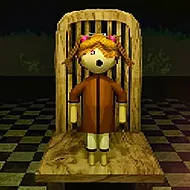

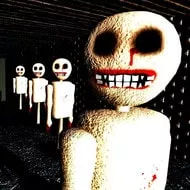
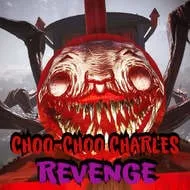


Horror Games immerse players in situations where uncertainty shapes every decision. This category is built around tension, limited information, and carefully controlled pacing. Instead of relying on constant action, Horror Games focus on atmosphere, risk assessment, and the psychological impact of the unknown. Players are placed in environments where observation and strategy are more valuable than speed, and where each step forward must be considered carefully.
Core Structure of Horror Games
Horror Games are defined by their ability to create sustained suspense. A typical game in this category introduces players to an isolated setting, restricts available resources, and gradually reveals threats. The goal is not simply to reach an endpoint, but to navigate danger while maintaining awareness. Unlike fast-paced genres, Horror Games often slow down movement and decision-making to increase tension.
Common structural characteristics include:
- Gradual introduction of danger rather than immediate confrontation
- Environmental cues that replace direct instructions
- Limited defensive or offensive tools
- Consequences for reckless exploration
- Moments of silence that contrast with sudden risk
These elements work together to create experiences where patience and focus determine progress.
Atmosphere as a Gameplay Mechanism
Atmosphere is not simply decoration in Horror Games; it is a functional part of the design. Lighting, sound placement, and spatial layout guide the player’s emotional response. A well-designed game may use narrow corridors, open empty rooms, or shifting sound sources to build anticipation.
In many Horror Games, the absence of visible threats can be more effective than direct confrontation. Subtle environmental storytelling—through scattered objects, incomplete messages, or changes in surroundings—encourages interpretation. Players become active participants in constructing meaning, which strengthens immersion.
Resource Scarcity and Strategic Planning
Scarcity is a central mechanic in Horror Games. Whether managing light sources, stamina, or protective items, players must evaluate every action. A single mistake can reduce survival options later in the game. This structure promotes deliberate pacing and careful exploration.
Typical resource systems found in Horror Games include:
- Inventory limitations that prevent excessive accumulation
- Finite recovery options that increase long-term pressure
- Tools with durability or time restrictions
- Checkpoint systems that raise the stakes of failure
By limiting access to security, a game maintains tension even during quieter segments.
Varieties Within Horror Games
The Horror Games category includes multiple formats, each emphasizing different aspects of tension. While the core objective remains survival or escape, the path toward that goal varies.
- Survival-Focused Experiences – Emphasize endurance, avoidance, and careful supply management.
- Psychological Narratives – Center on perception, unreliable information, and mental strain.
- Action-Driven Scenarios – Blend confrontation with atmospheric design.
- Exploration-Based Challenges – Highlight investigation and environmental interaction.
- Stealth-Oriented Formats – Reward quiet movement and strategic hiding.
Each type of game within Horror Games offers a distinct balance between suspense and direct engagement.
Environmental Interaction and Player Agency
Horror Games encourage active engagement with surroundings. Players open doors, examine clues, and unlock restricted areas to progress. Unlike linear formats, many experiences provide branching paths or optional discoveries that influence pacing.
A carefully structured game uses layout to guide without explicit markers. Locked passages, hidden triggers, and layered environments support immersion. Horror Games often reward attention to small details, as subtle observations can prevent larger risks later.
Dynamic Threat Systems
Threat behavior in Horror Games frequently adapts to player actions. Enemies may respond to sound, light, or proximity, creating unpredictable encounters. This variability prevents repetition and increases replay value.
Examples of dynamic systems include:
- Sound-detection mechanics that punish careless movement
- Adaptive patrol routes that reduce predictability
- Timed pursuit sequences that require rapid planning
- Safe zones that offer temporary relief but limited security
Because outcomes depend on decision-making, each session of a game can unfold differently.
Pacing and Emotional Rhythm
Pacing distinguishes Horror Games from many other categories. Rather than maintaining constant intensity, they alternate between calm exploration and high-pressure events. This rhythm prevents fatigue and strengthens impact.
A well-designed game allows players to regain composure before introducing new uncertainty. Horror Games often use silence as effectively as confrontation. By controlling tempo, designers maintain engagement without overwhelming the audience.
Short Experiences and Extended Journeys
Horror Games vary in length and complexity. Some focus on concentrated scenarios lasting a single session, while others unfold across longer narratives. A shorter game may concentrate on one setting with a defined objective. Extended formats gradually expand environments, introduce new mechanics, and deepen tension.
This flexibility allows players to select experiences that match their available time and preferred level of involvement.
Decision-Making Under Pressure
One of the defining aspects of Horror Games is the emphasis on choice. Players often face dilemmas: explore further or retreat, conserve supplies or use them immediately, hide or confront. These decisions shape the overall experience.
Strategic thinking is reinforced through:
- Consequences that persist beyond a single encounter
- Branching outcomes influenced by exploration choices
- Multiple paths toward the same objective
- Situations where avoidance is more effective than direct engagement
Every game in the Horror Games category transforms simple actions into meaningful risks.
Immersion Through Minimal Guidance
Horror Games frequently limit direct instructions. Instead of clear markers, players rely on context and observation. This design strengthens immersion by encouraging independent interpretation.
A game may present fragmented information through notes, environmental shifts, or subtle sound changes. By avoiding excessive explanation, Horror Games create a sense of realism and uncertainty that enhances engagement.
Why Horror Games Remain Compelling
Horror Games offer a structured way to experience controlled tension. The appeal lies in overcoming fear through planning and awareness. Players test their focus, adaptability, and patience in environments that reward caution.
Reasons many players choose Horror Games include:
- Desire for immersive, high-stakes scenarios
- Interest in narrative-driven suspense
- Appreciation for strategic resource management
- Engagement with unpredictable challenges
Each game delivers a unique combination of atmosphere and decision-making.
Horror Games stand apart through their emphasis on tension, limited resources, and psychological engagement. This category gathers experiences designed to challenge perception and strategic thinking. Whether navigating quiet corridors, solving environmental problems, or avoiding unpredictable threats, Horror Games create focused scenarios where patience and awareness determine progress. Players seeking structured suspense and meaningful choices will find diverse and carefully crafted experiences within Horror Games.