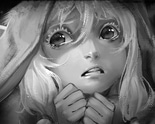
You watch Olya freeze mid-sentence, staring at something in the trees that Anton can’t quite make out from where he’s standing, and Tiny Bunny never rushes to explain what she saw. That patience is the whole texture of the game — dread that builds through a conversation instead of a jump scare.
The Family at the Center of Tiny Bunny
Anton Petrov is the boy at the center of the story, uprooted along with his mother Karina and younger sister Olya to a village deep in the countryside after his parents’ troubles push them out of the city. The move is framed as ordinary at first — new school, new neighbors, new house — and the game leans hard on that ordinariness before anything strange actually happens, which is exactly why the early wrongness lands so effectively once it starts.
Characters like Polina Morozova and Katya orbit Anton’s new life at school, and the branching dialogue system means how Anton treats them isn’t cosmetic — choices ripple forward through later chapters in ways that aren’t always obvious until they resurface. Fans refer to this as the game’s butterfly effect, and tracking exactly which small decision caused a later scene to play out differently is a huge part of why people replay it.
Karina holds the household together in ways that feel mundane at first — arguing about chores, worrying about money, settling disputes between her children — and that mundanity is deliberate. The game spends real time making this family feel like a family before it starts pulling at the threads underneath, and players who rush through the early school-and-house scenes tend to miss just how much later dread depends on caring about these people first.
What’s Actually Living in Tiny Bunny’s Woods
The forest surrounding the village isn’t empty. Olya becomes fixated on a massive owl that seems to watch the family before anything else goes wrong, and deeper folklore threads introduce figures like Hare Lip and a presence locals refer to as the Master of the Forest — names that carry weight in Slavic folk horror and that the game uses instead of generic monster language.
Titles across the five episodes read almost like warnings from a folk tale rather than chapter names — “The Owl Will Come,” “Time to Play,” “The Wolf’s Fur Will Stand on End,” “Stomp Your Hooves in Wait,” and “Bunny — Tasty Meals Prepare!” — and each one signals a shift in tone rather than just a new setting.
Why There’s No Traditional Fail State
Tiny Bunny doesn’t punish you with a game over screen. Instead, choices steer Anton and his family toward different endings, some clearly worse than others, tracked through achievements players compare once they’ve seen enough of the branches to know which decisions mattered.
Where the Community Disagrees
The most common criticism, especially among English-speaking players, is localization quality — awkward phrasing and rough translation choices that occasionally undercut a scene’s intended weight. Pacing is the other recurring debate: the slow burn that patient players call the game’s greatest strength is the same thing impatient players cite as its biggest flaw.
Questions Players Ask About the Village
- Do choices in Tiny Bunny actually change the ending? Yes — the game tracks a branching path across all five episodes, and small early decisions about how Anton treats people like Polina or Katya can resurface in ways that shift which ending you reach.
- Who or what is Hare Lip? A figure drawn from the game’s Slavic folk-horror influences, one of several forest entities the story treats as genuinely dangerous rather than symbolic.
- Do you need to play the episodes in order? Yes — the story builds on established relationships and earlier choices from episode to episode, and the titles themselves track an escalating tone from “The Owl Will Come” through to the final chapter.
Tiny Bunny earns its dread the slow way, letting an ordinary family drama curdle into folk horror one uncomfortable conversation at a time. By the time Olya’s owl or the Master of the Forest actually make their presence known, you’ve already spent hours learning to trust — or distrust — every person Anton meets in that village.